Ayo Traditions

Porto-Novo

The land that has been holding your memory since before you were born.

Porto-Novo is not a heritage site. It is not a museum. It is not a destination you visit and leave unchanged.

It is a living city where the tradition has never been interrupted; where the Vodoun is not a performance for tourists, but the operating system of the community. Where the Babalawo still opens his hands each morning and reads what the Fâ reveals. Where the ancestors are not buried in books; they walk the same paths they always walked.

Porto-Novo does not teach.
It recognizes.

Birds cross the ocean without maps. Something in them knows the way. The same something lives in you.

Why Porto-Novo

Not a neutral destination.
A threshold.

Benin is the cradle of Vodoun and of the former Dahomey kingdom. Porto-Novo, its capital, is where the spiritual, the historical, and the living converge; not as museum pieces, but as daily reality. The Afro-Brazilian houses where returnees rebuilt a life after exile still stand. The sacred quarter of Adjinān still breathes. The Fâ is still consulted each morning.

These are not attractions. They are archives written in architecture, in soil, in ritual. Porto-Novo does not offer the "exotic" as a consumable surface. It offers a conscious, living encounter with the source of traditions that survived the crossing; and that are still, here, fully alive.

The living places of Porto-Novo

Each place is a threshold. Each one holds a memory that waits to be recognized.

The Masterpiece

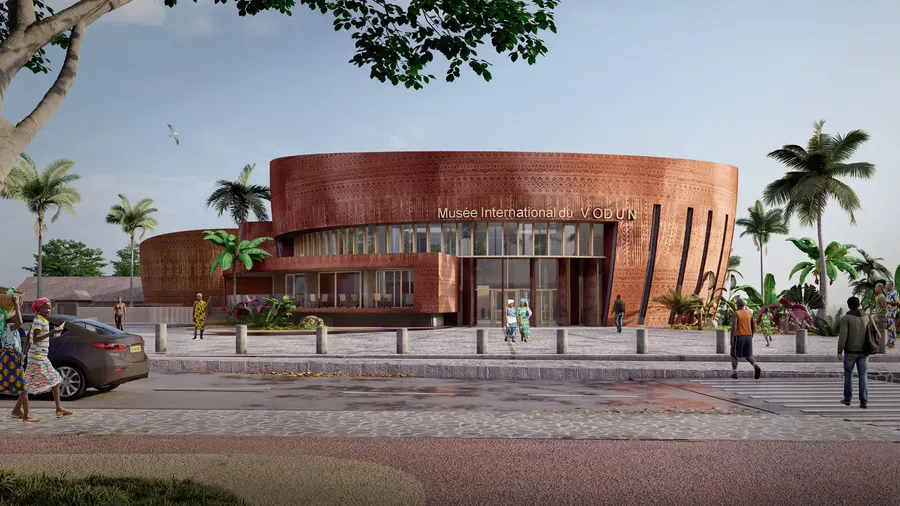
The International Museum of Vodoun & Orisha

The largest collection of Vodoun and Orisha sacred objects in the world; gathered not as artifacts behind glass, but as living testimonies of a tradition that spans continents. From the cowrie shells of Porto-Novo to the batá drums of Cuba, from the iron tools of Gu to the vestments of Candomblé terreiros in Bahia.

This is not a museum in the Western sense. It is a house of recognition; where the scattered children of the tradition can see, in one place, the full breadth of what survived the crossing. And what never left.

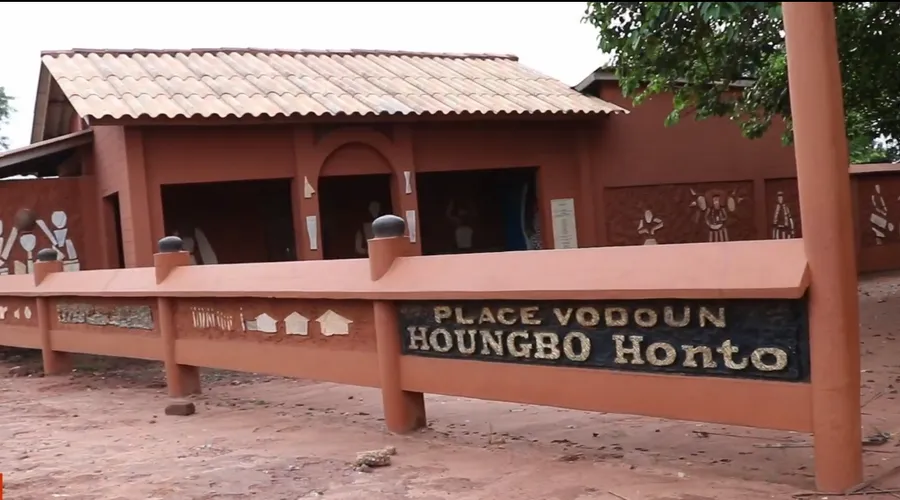
Adjinān; The Sacred Quarter

The spiritual heart of Porto-Novo. In Adjinān, the Vodoun temples are not relics; they are active places of consultation, of initiation, of ceremony. The Babalawo opens his hands here each morning. The ancestors walk these paths.

Ayo Traditions is rooted here. This is where Ibú consultations are held, where the Fâ speaks on its own soil.

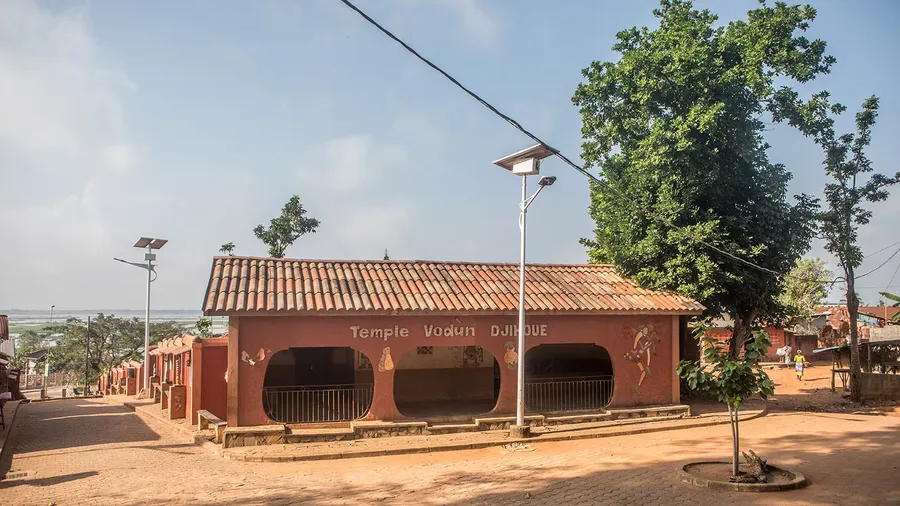
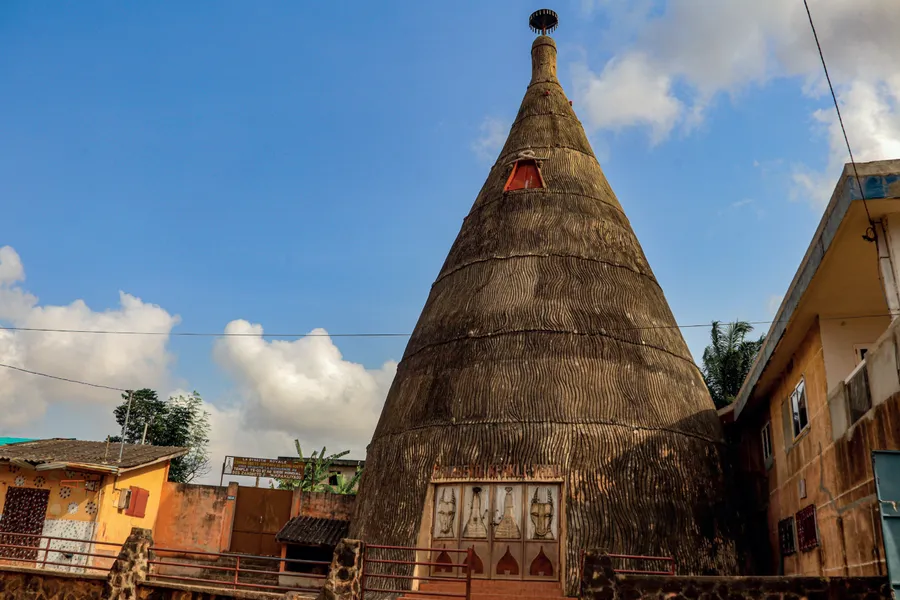
The Vodoun Temples

Porto-Novo holds more active Vodoun temples than any city in West Africa. Temples of Sakpata, of Dan, of Heviosso; each one a living sanctuary where the forces are not worshipped but embodied. The tradition here is not revived; it was never interrupted.

Access to these spaces is not touristic. It follows the law of readiness; revelation follows preparation.

The Palace of King Toffa

The royal palace of Porto-Novo; seat of the Fon kings who governed before and during the colonial era. King Toffa navigated between resistance and diplomacy. His palace is now a museum of royal history, but more than that; it is a living reminder that Porto-Novo was never a village. It was a kingdom.

The throne room still holds the weight of decisions made under the gaze of the Vodoun.

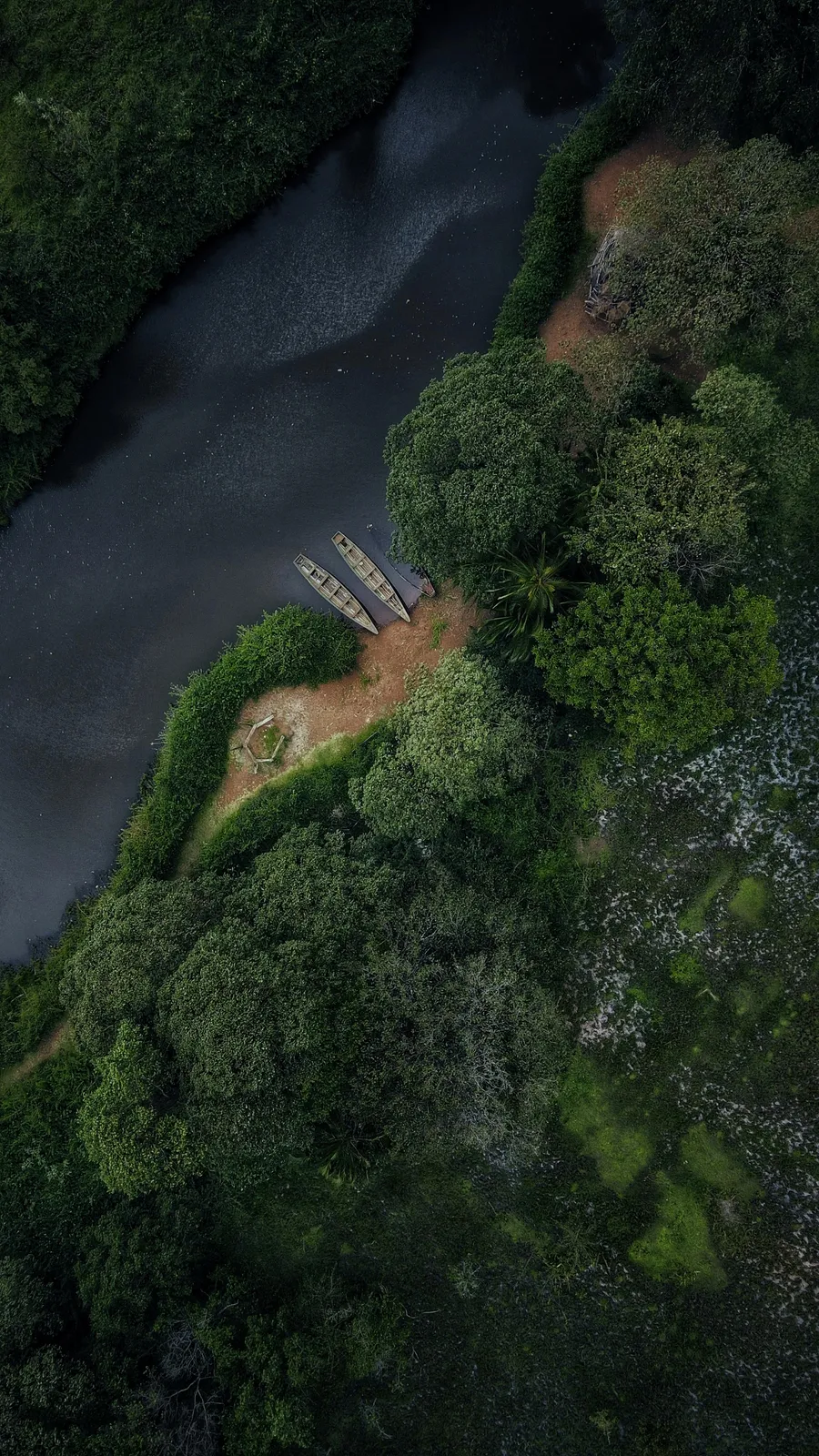
The Dark River of Adjarra

Sacred waters used for purification and initiation since before memory. The river of Adjarra does not forget. Those who enter say they come out different; lighter, older, more themselves. Yemoja lives here.

The water remembers what the mind has forgotten.

The Agouda Legacy

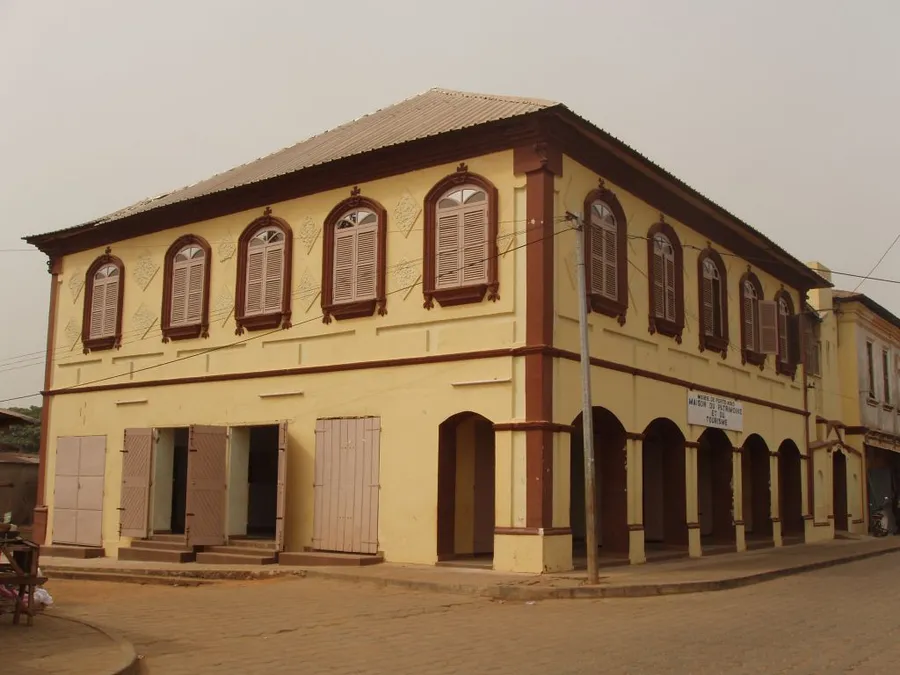
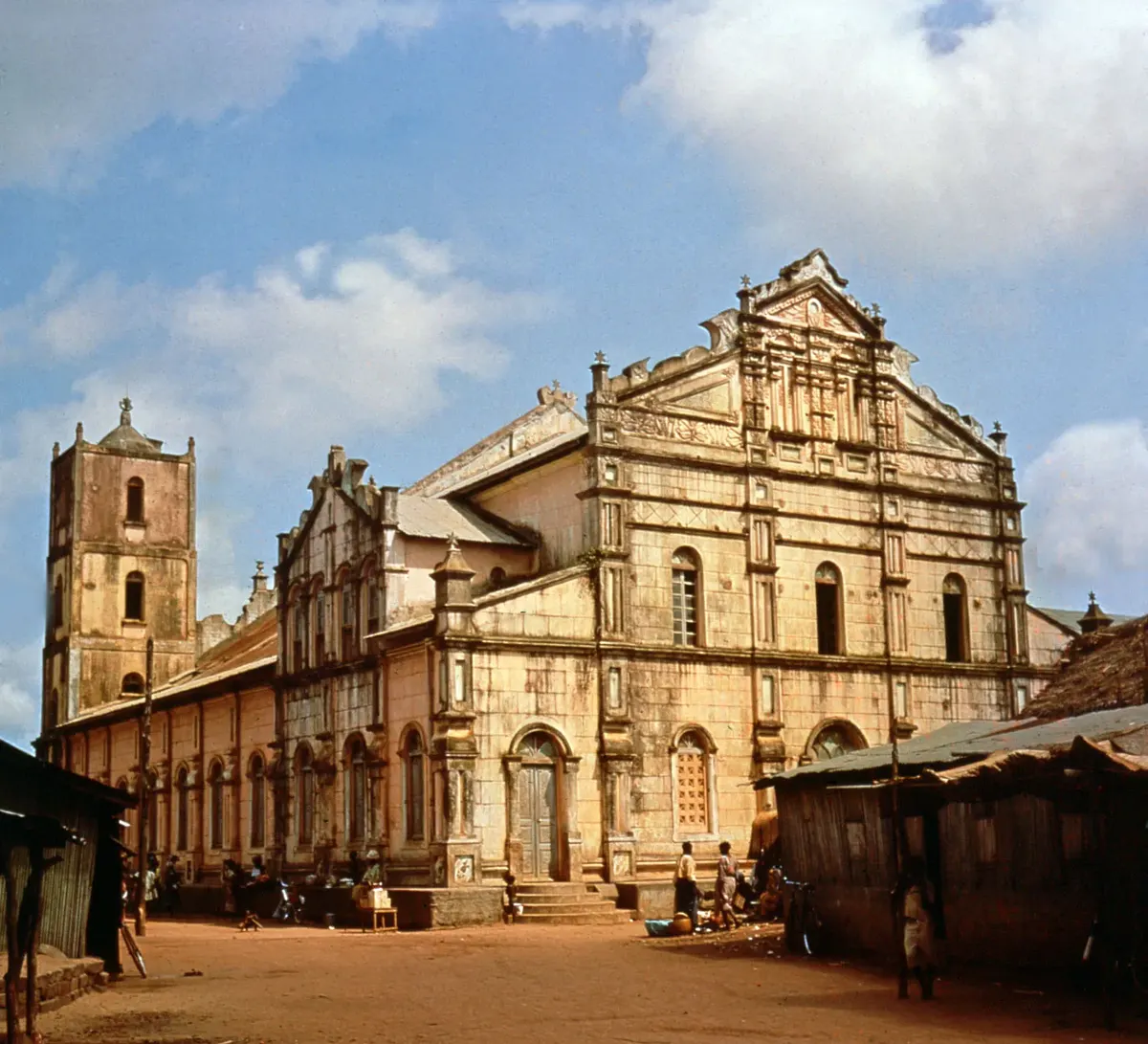
The Agouda are the descendants of freed Brazilian slaves who returned to West Africa in the 19th century; and brought Axé home. Their Afro-Brazilian houses still stand in Porto-Novo, testimony of a return that already happened. They are proof that the crossing works in both directions.

The great mosque of Porto-Novo; built in Brazilian baroque style by the Agouda; is perhaps the most visible symbol of this impossible, magnificent return.

Lake Nokoué & the Lagoon

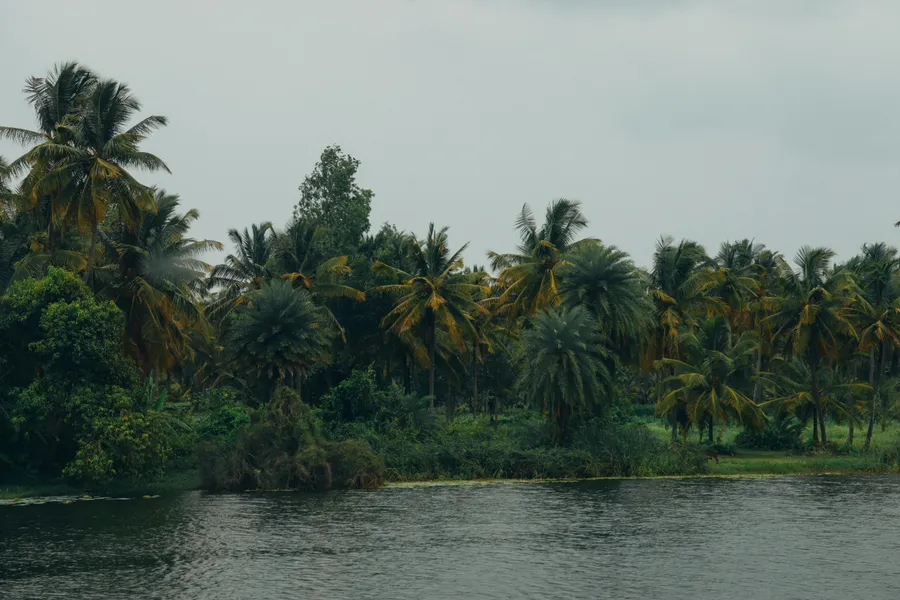
The great lagoon that connects Porto-Novo to the Atlantic; the water that carried the ships, and the water that now carries the pirogues of the fishermen. On its shores, communities have lived in symbiosis with the water for centuries. The lagoon is both border and bridge.

To travel by pirogue on Lake Nokoué is to understand that water is not emptiness; it is memory in motion.

Listen, children of the diaspora.

You whose ancestors crossed the ocean in the holds of death. You whose tongue was cut, whose names were changed, whose gods were hidden behind the faces of saints.

Know this: the Source does not extinguish. What your mothers whispered in hiding, what your fathers danced under other names, what your grandmothers wept without knowing why; all of this is the memory seeking to return home.

You were never separated.
You simply carried the memory differently.

Today, the door is open. Porto-Novo awaits; not to teach you what you have lost, but to recognize you as the children returning. You are not strangers. You are the family that is coming home.

Two paths lead here

If you are at the beginning

Start with Ibú

A Fâ consultation with a Babalawo in Porto-Novo. The first threshold. The mirror that shows you where you stand before you take the first step.

Cross the threshold
If your Ori calls you to the land

The Sacred Journey

Ayo Ònà is the physical return; a pilgrimage to Porto-Novo, to the soil, to the water, to the ancestors who have been waiting. Not tourism. A homecoming.

Discover Ayo Ònà
Speak with a Living Bridge

A Living Bridge is an initiated guide who has walked the path of return. This conversation is an offering; without obligation, and in your language.